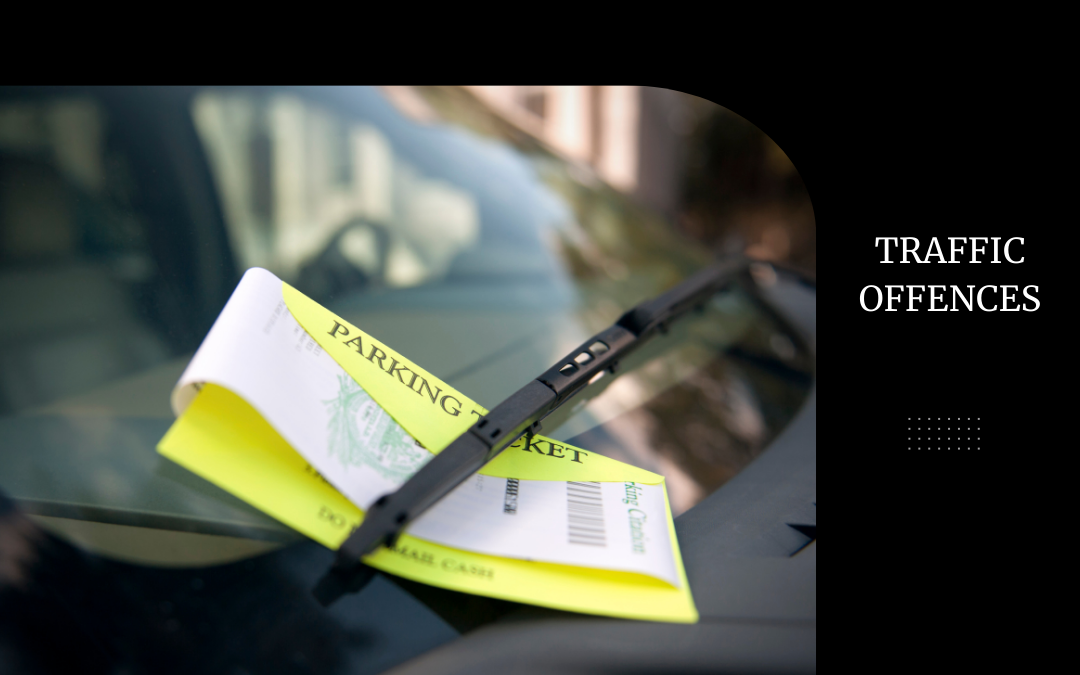
How should a traffic ticket be handled in Alberta?
Getting a traffic ticket can be a stressful experience, but understanding the process helps in handling it efficiently. Tickets are issued for violations such as speeding, running red lights, or distracted driving. It is important to review the ticket carefully to understand the specific violation, the associated penalties, and the available response options. If the ticket is believed to be incorrect, it can be disputed in court; otherwise, the fine must be paid promptly online, in person, or by mail.
What are the primary categories of traffic offences in the province?
Traffic offences in Alberta encompass a wide range of violations categorized by severity. Minor Infractions include exceeding the speed limit, failing to wear a seatbelt, improper lane changes, and disobeying traffic control signals. Serious Violations encompass offenses such as impaired driving, reckless driving, and hit-and-run incidents. While minor infractions are typically penalized through monetary fines and demerit points, serious violations carry more stringent penalties, including criminal charges and license suspensions.
What is the purpose of the Alberta Demerit Point System?
The Alberta Traffic Safety Act Demerit Point System is a robust regulatory framework designed to improve road safety. By assigning demerit points based on the seriousness and frequency of traffic offenses, the system serves as a critical tool for overseeing and encouraging responsible driving practices. It imposes penalties for unsafe behaviors, ensuring that recurrent infractions lead to administrative measures to protect the public.
Can an agent/paralegal represent a driver in Traffic Court?
In Alberta, the adjudication of traffic-related matters is handled by specialized divisions of the Alberta Court of Justice. An authorized agent/paralegal can appear on a driver’s behalf to manage the dispute process or negotiate a resolution. This allows for a structured and transparent legal process without the driver needing to appear personally for routine hearings or first appearances.
What are the common consequences of a traffic violation?
The implications are contingent upon the severity of the infraction. Typical consequences include monetary penalties, which are the most frequently imposed sanctions for minor infractions. Additionally, demerit points are assigned to the driver’s record. For significant violations, such as impaired driving, consequences can escalate to immediate license suspensions—which may be temporary or permanent—and even criminal charges.
How do serious violations differ from minor traffic infractions?
While minor infractions result in administrative penalties, serious offences like hit-and-runs or impaired driving are categorized as criminal violations. These may lead to formal legal proceedings, substantial financial penalties, probationary requirements, or incarceration. Because these carry more severe repercussions, they are handled with a high degree of gravity within the judicial system.
What happens as demerit points accumulate on a record?
The demerit point system operates methodically to monitor traffic violations. Upon the accumulation of 6 demerit points, a formal warning letter is issued to the driver to encourage safer driving practices. Reaching 8 demerit points results in a mandatory license suspension of 3 days. If a driver accrues 15 demerit points within a two-year timeframe, the repercussions become significantly more severe, potentially involving extended license suspensions.
How long do demerit points remain on an Alberta driver’s record?
Demerit points are generally retained on a driver’s record for a designated duration, typically two years. After this period, they are expunged from the record, provided no further infractions are committed within that timeframe. Proactively managing a driving record is imperative for preserving a clear history and mitigating the long-term consequences of traffic tickets.
Is it possible to reduce the number of demerit points on a record?
In specific circumstances, drivers may be eligible to reduce their demerit point total once every two years by completing accredited defensive driving courses. The availability and effectiveness of such courses are subject to provincial regulations and the nature of the traffic violation. Exploring these measures is a proactive way to maintain a clear record and ensure compliance with traffic regulations.
Why is it important to stay informed about a driving record?
Too many demerit points can negatively affect a driving record and lead to increased insurance rates. By staying informed and understanding the thresholds of the demerit point system, drivers can take proactive measures to protect their driving history. This ensures that they remain in compliance with the Traffic Safety Act and avoid the administrative measures associated with frequent violations.
This article is for general informational purposes only and is not legal advice. Contact us today to discuss your specific situation.